
By Delux Emmy Alomu
SOROTI CITY
Landowners in the Teso sub-region have been called upon to think twice before allowing individuals to stay on their property for extended periods, particularly if they have no intention of granting them land rights.
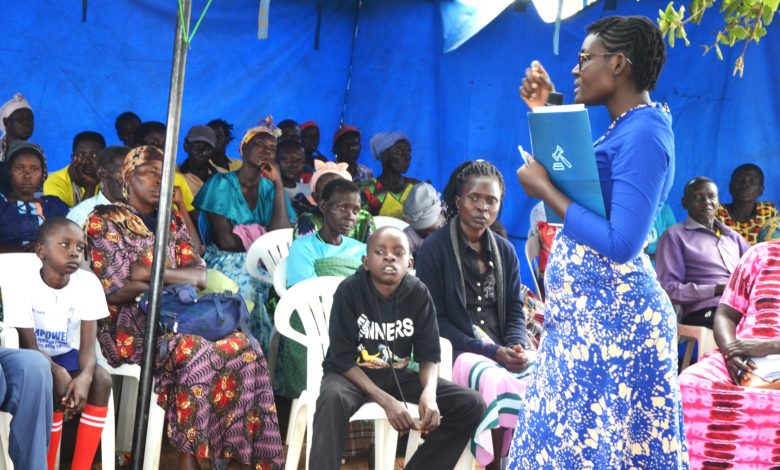
Lilian Omurangi, an Attorney with Redeem International, points out that the people of Teso are known for their hospitality, often welcoming friends, relatives, and even hired help onto their land. However, they may not realize that under the law, individuals who occupy and use land for 12 years can claim it as their own.
Omurangi warns that if someone is permitted to use the land for this duration without any formal challenge, they may become a bona fide occupant, making it challenging for the original owner to reclaim the property.
She recommends that landowners draft clear agreements with those they invite to stay, explicitly stating that no land rights will be conferred, even with long-term occupancy.
“If you permit someone to stay or utilize your land for an extended time, it becomes very difficult to contest their claim later on,” Omurangi explained.
This issue was brought to light during a meeting organized by Redeem International, aimed at educating widows, widowers, and orphans about their land rights.
The event took place on April 24, 2026, at the Arabaka Pentecostal Assemblies of God Church in Arapai Sub County, Soroti district, and involved collaboration with local police, government officials, and community leaders.
The primary goal was to address the increasing instances of land grabbing linked to a lack of knowledge about the law.
IP Rose Atim Arimo, The Regional Child and Family Protection Officer in East Kyoga police region, emphasized the ongoing public misunderstanding of land laws and domestic violence issues.
She urged community members to approach law enforcement proactively for guidance, rather than only seeking help when problems arise.
Hajji Imran Muluga, the Soroti Resident District Commissioner, noted that his office handles an average of 20 cases each month.
He identified insufficient education on issues of inheritance and succession as a significant contributor to ongoing disputes.
Muluga elaborated on the critical nature of documentation, stating, “If the chairman has a child living in his home for more than 12 years without evidence that they do not inherit upon his death, that child is legally entitled to a share of the property under Ugandan law.”
He reiterated the importance of community members taking the initiative to learn about the law to reduce such conflicts.
The RDC has suggested that clan leaders undergo training due to their interference with land belonging to widows, children, and orphans, which he noted is contrary to the law.
He further announced that Redeem International will be allocated 20 minutes at every district event to discuss land issues, ensuring that the community becomes more informed about the laws governing land rights.
Tom Vincent Olobo, the sub-county chief of Arapai, encouraged men to openly share information about land titles with their wives. This practice would help women defend their interests in case of a husband’s passing and any attempts at land grabbing.
“Avoid leaving your land titles with money lenders. Make sure your wife knows where the title is kept so she can use it as evidence in case of land disputes,” he advised.
Olobo also urged the community to resolve land disputes amicably among themselves, rather than allowing these issues to escalate to court.
Simon Peter Emetu, the LC3 Chairperson of Arapai sub-county, expressed appreciation for this unprecedented effort to raise awareness about land issues, noting that many cases they encounter involve land grabbing from widows, widowers, and orphans.
He recommended that clans establish their own land rules and regulations that comply with government standards.
Redeem International, a non-governmental organization, provides vital support to local law enforcement in protecting the rights of widows and orphans against land grabbing.


