
By Delux Emmy Alomu
SOOROTI CITY
Students at Soroti University and the nearby Teso College Aloet (TCA) are on edge after reports of leopards roaming the area surfaced three days ago.
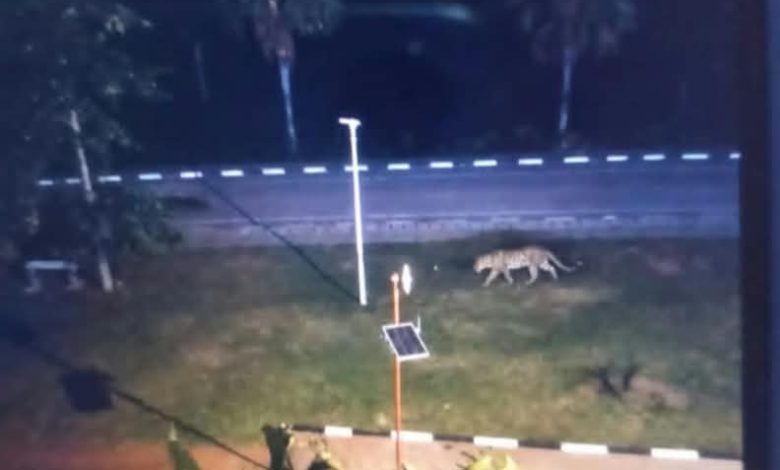
The Uganda Wildlife Authority (UWA) has indicated that between three and four leopards have been spotted in Gweri County in Soroti District, as well as in Soroti city and Amuria District.
A concerning image shared on social media shows a mother leopard accompanied by her three cubs in the university library last night.
Additional images reveal a young leopard resting underneath a metal chair on campus and another seen wandering near the university’s main building after dark.
As 106 Senior Six candidates at TCA were being briefed today a head of their upcoming UACE exams, they were advised to steer clear of reading books in bush areas close to the campus, given the recent leopard sightings.
John Robert Olupot, the Deputy Headteacher in charge of Academics at TCA, emphasized the importance of revising books within the safety of the compound.
Denis Ivan Echeru, the TCA Candidate said they will have to revise their books within the classroom than going out.
These leopards are believed to have either migrated from the nearby Pian Upe Wildlife Reserve or to have been existing in the natural swamps of the Teso sub-region.
Thomas Otim, the University Guild president, voiced concerns for the safety of students and the surrounding community, noting that some students are hesitant to leave their hostels to attend classes.
University spokesperson Juma Hassan Nyene acknowledged the presence of the leopards on campus but dismissed the circulating image of the mother leopard with her cubs as an AI-generated photo.
He mentioned that while the leopards tend to be more active at night, daytime activities at the university continue with caution.
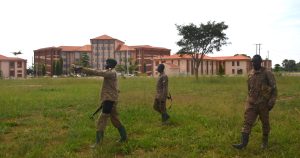
Mark Tiyan, the community conservation education assistant from Pian Upe Wildlife Reserve, confirmed that nine rangers have been deployed to the university to handle the situation and attempt to trap the leopards for relocation. Tiyan suggested that two leopards appear to be frequenting the area.
He further explained that climate change has led to a decrease in available pasture and water, pushing these wild animals into areas where they compete with livestock for limited resources. Tiyan noted that the presence of the leopards has already led to the loss of five livestock, including two cows and three sheep, and advised residents to secure their animals in safe enclosures.
The community conservation education assistant at Pian Upe Wildlife Reserve emphasizes the importance of raising awareness about the presence of wild animals that may wander into populated areas. Tiyan advises that if anyone encounters these animals, especially leopards, it’s crucial to remain calm. Running, panicking, or making loud noises could provoke an attack.
He recommends avoiding direct confrontation and maintaining a safe distance. If you find yourself near a leopard, move slowly and seek shelter behind any available barrier. It’s vital to keep eye contact while retreating, and always avoid turning your back on the animal. If you spot the leopard on campus, ensure there’s an escape route for it.
During his rounds, the officer identified two potential hiding spots for the leopard during the day at the university, noting that it will likely become more active as night falls.
Students are encouraged to carry flashlights to illuminate dark areas while the team from Kampala prepares to handle the situation safely.


