
By Delux Emmy Alomu
In a significant move to preserve Teso’s rich cultural heritage, elders from Soroti City, have initiated the establishment of a Teso Heritage and Cultural Centre aimed at safeguarding and revitalising the traditional customs and practices that are fading among the youth.
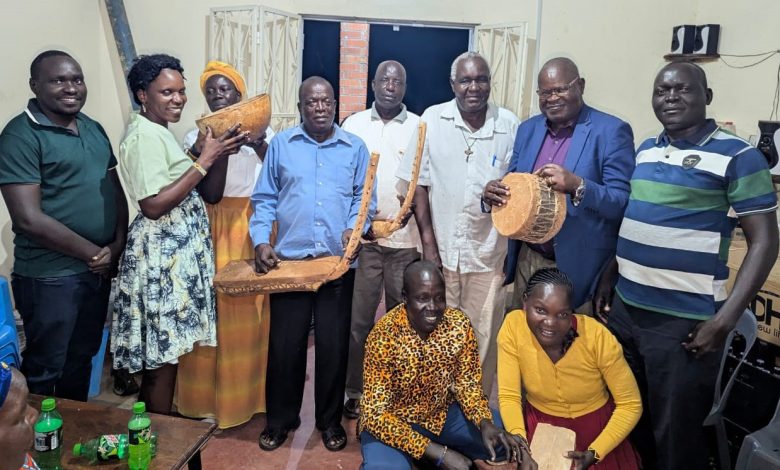
Eugenio Osuku, a respected elder from Ogasia Cell in Madera Ward, gathered over 30 elders and several young individuals to discuss the centre’s development at the selected site.
The collective commitment to launch activities at the centre marks a pivotal step toward cultural rejuvenation.
Osuku shared that the primary focus of the Teso Heritage and Cultural Centre will be to teach young people how to prepare traditional dishes such as Eboo, Ecadoi, Emalakany, offer guidance on marriage dynamics to mitigate rising divorce rates, and preserve traditional dances such as Ajosi, Akeebe, Adigidigi, Adugu and Ekiriakiria.
“The marriage has failed because young couples are no longer keeping elders as it used to be. This generation is no longer smoking meat. I currently have a heart problem and doctors told me that it’s the fresh meat and chicken that I used to eat more often when I was still working that has affected me. This can be avoided by eating smoked meat,” he said.
Osuku expressed his desire for the youth to learn how to make yogurt using a local ingredient known as Etuo (gourd).
He mentioned that many young people are unfamiliar with dancing the local piano-Akogo.
To address this, he assured that all the knowledgeable elders will be present at the center to teach the youth not only how to cook and dance but also how to play and preserve food, among other skills.
He emphasized the importance of elder involvement in promoting the Iteso Cultural Union (ICU) to foster cultural engagement by creating centers like this one.
“Now that the government has removed remedials, holiday makers would be coming here to learn how to speak Ateso, cook local foods among others,” Osuku said.
Addressing the concerning rise of youth gangs that threaten local security, Osuku urged the elders to step up and provide meaningful guidance to the youth, steering them away from criminal behavior and towards embracing their heritage.
During the inaugural meeting, Richard Enunu was elected to head a committee of 11 members tasked with leading the establishment of the cultural centre.
He highlighted that the centre will also facilitate lessons in Ateso language and house traditional artifacts, including granaries, which are gradually disappearing from everyday life.
Enunu remarked on the impact of recent insurgencies, noting that many cultural practices have been lost and western influences have taken root.
The chairperson affirmed their commitment to reversing this trend: “We shall be cooking local dishes here, including enjoying traditional malwa ‘Ajono’ and much more,” he declared.
To set up a heritage or cultural centre in Uganda, it’s essential to understand the national regulations and engage with local communities while adhering to the guidelines set forth by relevant government ministries and organizations.
Currently, there are about 25 to 30 heritage and cultural centres run by communities and individuals across Uganda, as noted by the Cross-Cultural Foundation of Uganda and the Uganda Community Museums Association (UCOMA).


