
By Delux Emmy Alomu
KALAKI
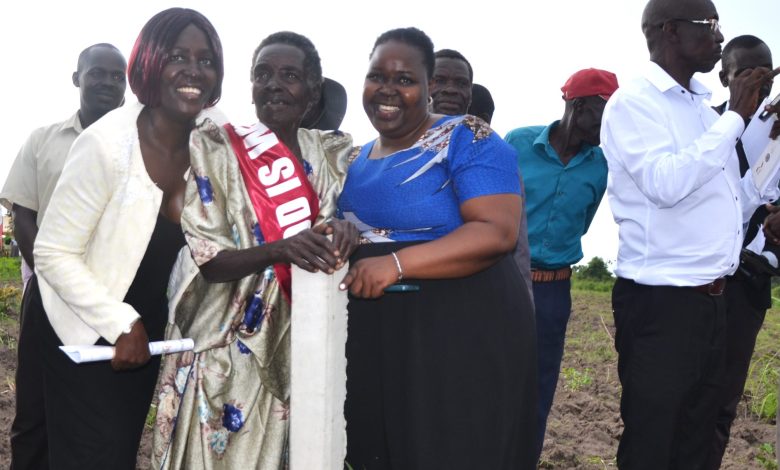
An 80-year-old widow from Omirimir Village in Obur Parish, Bululu Sub County, Kalaki District has finally reclaimed her land after a protracted legal struggle that spanned nearly 21 years.
The disputes over the land began after the passing of Modesta Akot’s husband, Raphael Ocen, in 2005 when Joseph Ediau, a close neighbor, started asserting his claim over the widow’s property.
Pinento Obwora, age 73, who represented his ailing younger brother Ediau, argued that their late father, Vincent Engoru Ojwokit, had granted permission to Ocen to live on their land around 1948 due to their close friendship.
According to legal statutes, individuals who have occupied and utilized another’s land for over 12 years can claim ownership.
Obwora mentioned that outside influences pressured them to seize the widow’s property since he was adjacent to her. Initially, Ediau opposed burying Engoru on this land, but after clan members intervened, involving the police, he was compelled to allow the burial.
John Loke Esanu, the chairperson of the LC1 in Omirimir Village, noted that local authorities had made several attempts to mediate the land dispute, especially after Ediau’s son assaulted Akot, resulting in his arrest at Kalaki Central Police Station.
Esanu pointed out that the widow faced financial challenges regarding legal proceedings, but with support from Redeem International, she was able to return to her land.
He requested that a permanent structure be constructed for her, highlighting that many widows in the area face similar land issues and expressing gratitude for the organization’s assistance in these matters.
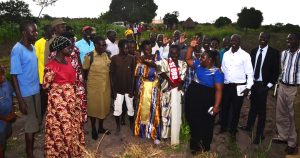
David Elelu, the principal parish chief and secretary of the LC3 Court, reported that since January 2025, they have addressed two land grabbing cases impacting widows, including a successful resolution with Redeem International on April 15, 2025, which led to land demarcation for the affected widow. Elelu emphasized the importance of clear land demarcation for all households to reduce conflicts.
Akot expressed her relief and happiness upon the resolution of her case, thanking Redeem for their assistance. She encouraged other widows to come forward with their challenges so they can receive support.
Before this issue was addressed, Akot was among many widows facing the threat of land being seized by relatives and neighbors, a situation common not just in her district but throughout Uganda.
Joseph Atikoro, the district community development officer (DCDO) overseeing community-based services in Kalaki, noted that land grabbing from widows has become increasingly frequent, particularly after the death of their husbands.
The DCDO reported that the district sees approximately five such cases each month, particularly since Redeem International began to intervene. Awareness of the support available seems to have led to an uptick in reported cases.
He pointed out that it often falls to brothers to try and seize land and property from a deceased sibling’s widow and orphans, driven by greed.
“They tend to see the widow as a vulnerability they can exploit to reclaim the land. This has turned into a significant issue in Kalaki,” Atikoro stated.
He stated that many widows are further burdened by clan elders who, rather than helping them, demand substantial fees before addressing their issues, and in some instances, these leaders even act in ways that threaten the widows’ land rights, forcing them to journey long distances to seek assistance from district offices.
He appreciated Redeem International’s intervention, as the district lacks the necessary resources to pursue these cases in court and manage ongoing legal expenses.
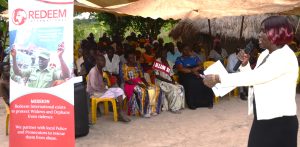
During a restoration meeting at a widow’s home on April 13th, 2026, Attorney Juliet Anango from Redeem International Soroti Field Office advised widows and orphans about land rights, emphasizing that the widow has the primary right to manage and benefit from her deceased husband’s estate while cautioning against unauthorized interference.
She cautioned the customary heirs against compelling the widows to remain with them as wives, emphasizing that widows have the right to marry whom they choose, and clarified that being a customary heir does not grant administrative control over the deceased’s estate.
In accordance with tradition, a clan typically designates the eldest son as the customary heir to assume family responsibilities and manage property, particularly land, though legal authority does not confer automatic power over the deceased’s estate, necessitating a separate legal process.
“Traditionally, a customary heir, often the eldest son, was installed by the clan to step into the diseased cultural position. This involves taking responsibility for the family and managing the household property particularly land. Legal authority says being a customary heir does not automatically grant legal power to manage the diseased estate, a separate legal process is required,” she read part of the law.
ASP Francis Bwanika, the officer in-charge Kalaki Central police station and acting district community liaison officer urged locals to report land disputes to the LCs and police for resolution before escalating to court, while encouraging them to embrace land surveys to minimize conflicts and avoid violence.
Rose Atim Arimo, the child and family protection officer for the East Kyoga police region, stated that taking land from a widow is both unjust and displeasing to God, and she called on residents to curb their excessive drinking as it contributes to a rise in crime.
Patrick Bosco Opio, the Kalaki Deputy Resident District Commissioner, highlighted Redeem International’s initiative to resolve land disputes affecting widows and orphans as a means to enhance security, while urging against the greed-driven seizure of land and warning the community about the dangers of witchcraft, all while encouraging peaceful conflict resolution instead of lengthy court battles.
Redeem International is a non-governmental organization that assists local law enforcement authorities in protecting widows and orphans from land grabbing.


