
By Staff Reporter
KAMPALA

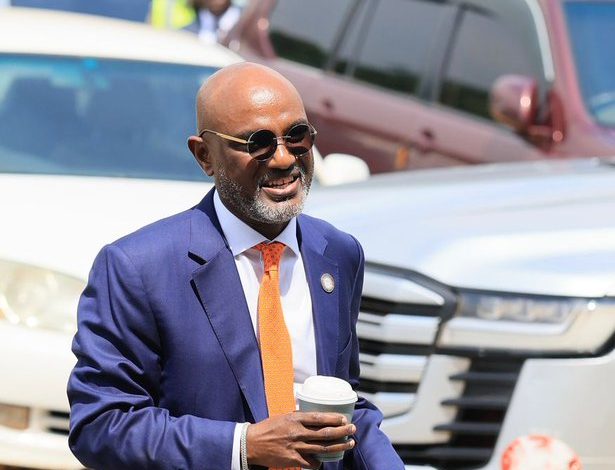
Dr. Lawrence Muganga’s nomination for the position of State Minister for Internal Affairs has been rejected by Parliament’s Appointments Committee after a vetting process dominated by questions over his alleged multiple citizenship status.
Sources familiar with the proceedings said legislators spent much of the closed-door session on Tuesday, 2nd June, 2026 pressing Muganga to explain his links to Uganda, Canada and Rwanda, with members reportedly insisting that holders of sensitive public offices must demonstrate clear and exclusive allegiance to Uganda.

Muganga, a respected academic and Vice Chancellor of Victoria University, was expected to sail through the vetting process due to his growing national profile in education reform and innovation. Instead, the session reportedly became one of the most contentious vettings of the latest round of ministerial appointments.
According to parliamentary insiders, Muganga informed the committee that he had previously renounced Rwandan citizenship after becoming a Canadian citizen. However, legislators allegedly demanded formal proof and sought clarity on whether he had taken steps to relinquish any remaining foreign nationality in accordance with Ugandan law.
The committee reportedly concluded that his explanations did not sufficiently address the legal and constitutional concerns raised during the session, leading to the rejection of his nomination.

PLU Daudi Kabanda Speaks Out
“Mr. Muganga Lawrence was not rejected by the committee for being a Munyarwanda, a narrative i see some people so deceptively selling. We have other leaders who are banyarwanda who were approved & have been approved in the past. Hon. Aisha Ssekindi and Dianah Mutasingwa were approved yet they are Banyarwanda but Ugandan citizens.
Muganga was not approved after he denied holding a Rwandan passport, but the Committee investigations confirmed he holds 3 passports: Ugandan, Canadian and Rwandan. Why was he denying it? Therefore, the claim that he was rejected because of being a munyarwanda is totally false, misleading & dangerous,” writes Kabanda on his X-Handle on Wednesday, 3rd June, 2026.
Why Parliament took interest in his citizenship
The controversy surrounding Muganga’s nomination largely stemmed from the nature of the ministry he had been nominated to serve.
The Ministry of Internal Affairs supervises some of the country’s most sensitive state functions, including immigration, border control, passport issuance, citizenship registration, national identification and internal security coordination.

Because of those responsibilities, members of the committee reportedly argued that the office required unquestionable loyalty to Uganda and strict compliance with citizenship laws governing public officials.
Uganda permits dual citizenship under existing legislation, but legal restrictions remain for certain categories of public office bearers. Critics of Muganga’s appointment pointed to provisions within the Uganda Citizenship and Immigration Control (Amendment) Act, 2009, which bars dual citizens from occupying specific state positions unless they formally renounce foreign citizenship.
Before the vetting session, a petition challenging Muganga’s eligibility had reportedly already been submitted to Parliament, increasing pressure on the committee to closely scrutinise his nomination.
Muganga’s rise to prominence
Muganga has become one of Uganda’s most visible academic figures over recent years through his advocacy for education reform and digital learning.
As Vice Chancellor of Victoria University, he has frequently campaigned for modern teaching methods, technological integration in classrooms and reforms to Africa’s traditional education systems.
He is also the author of You Can’t Make Fish Climb Trees, a book that criticises outdated educational models and promotes innovation-driven learning.
Before relocating to Uganda, Muganga worked in Rwanda and later in Canada, where he served in various professional and administrative roles.
His international background, which supporters viewed as valuable global exposure, instead became central to the controversy surrounding his appointment.
Old suspicions return
The vetting also revived memories of Muganga’s 2021 arrest during a period of strained diplomatic relations between Uganda and Rwanda.
At the time, security agencies reportedly questioned aspects of his immigration and nationality status, though he was later released without prosecution.
That episode remained politically sensitive and reportedly resurfaced during Tuesday’s proceedings as legislators revisited concerns about his citizenship history.
Wider political implications
Muganga’s rejection is expected to fuel broader debate about the participation of diaspora professionals in Uganda’s governance structures.
Supporters argue that many Ugandans acquire foreign citizenship for employment, education and migration opportunities abroad and should not face political exclusion upon returning home.
Critics, however, insist that strategic government positions — particularly those linked to national security and internal affairs — require office holders whose loyalty cannot be legally divided between multiple states.
The decision now leaves uncertainty over who will eventually take up the Internal Affairs docket as attention shifts to the President’s next move following the committee’s recommendation.
Political observers say the case may shape future vetting standards as Parliament increasingly scrutinises citizenship qualifications among senior government appointees.


