
By Our Reporter
NATIONAL/ECONOMY
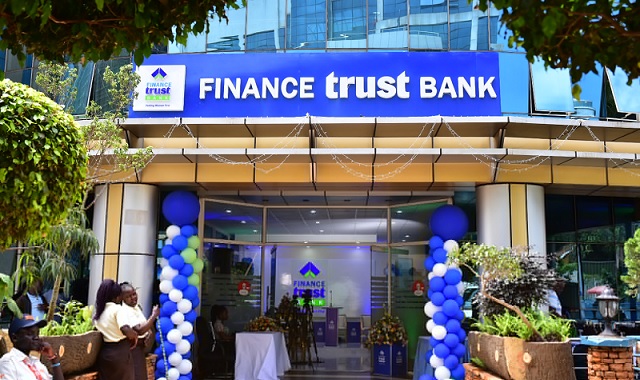
The Bank of Uganda announced on Thursday, January 29, 2026 that Finance Trust Bank has effectively transitioned from being a Tier 1 Commercial Bank to a Credit Institution.
“Bank of Uganda informs the general Public that Finance Trust Bank Limited has been authorized to transition from a Tier 1 Commercial Bank License to a Tier II Credit Institution License effective 1st April, 2026.”
The communication also reveals that this process started in January, 2026 when BoU granted Finance Trust Bank a transition period for 3 months to phase out products and processes that require Tier 1 Commercial Bank License.
The Bank of Uganda said the downgrade was driven by a strategic decision taken by Finance Trust Bank’s board.
Finance Trust Bank recorded a 178 per cent increase in profits in 2024, posting earnings of Shs10.3 billion.
Operating as a Tier II institution will allow the bank to concentrate on its traditional niche of serving women entrepreneurs, rural communities and small businesses, while avoiding the higher compliance and capital costs associated with a commercial banking licence.
The Bank of Uganda reassured customers that the institution remains financially stable and adequately capitalized under its new licence.
This transition means that Finance Trust Bank Limited will now not be able to offer a wide range of services, including large corporate loans, cheque services, foreign exchange, and international trade finance.
The Bank can only now do basic banking and lending implying that it can accept deposits and provide loans mainly to individuals, small traders, farmers, and small businesses, but it cannot offer some advanced services such as cheque accounts or complex international banking.
Tier II financial institutions constitute credit institutions. Credit Institutions are described as “non-bank” financial institutions that engage in the acceptance of call and time deposits repayable after a fixed period or after notice and deployment of such deposits wholly and partly by lending or any other means for the accounts and at the risk of the person accepting such deposits.
Tier II financial institutions are required to minimum capital of Shs20Billion and are permitted to take in customer deposits, establish savings accounts for individuals, make collateralized and non-collateralized loans to customers but are not authorized to establish check accounts.
Meanwhile, a Tier I commercial bank, that Finance Trust has been is the highest category. It can offer a wide range of services, including large corporate loans, cheque services, foreign exchange, and international trade finance.


