
By Delux Emmy Alomu
AMURIA
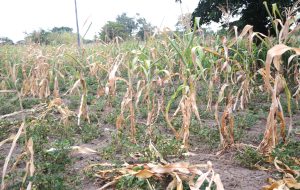
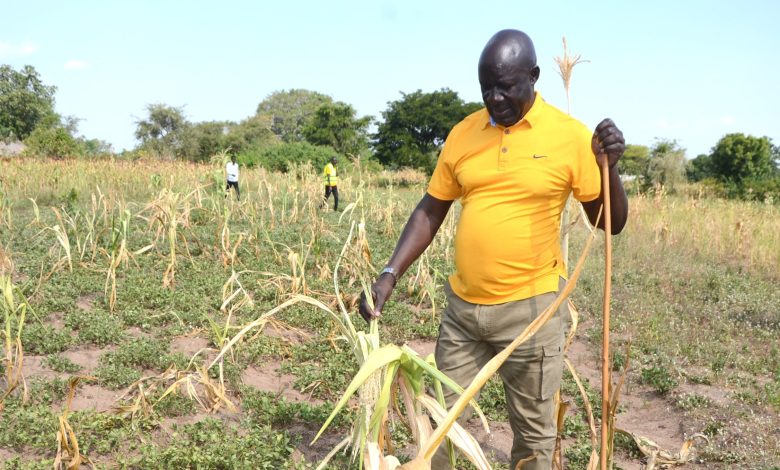
The increasing cases of gender-based and domestic violence in Amuria District have been linked to the prolonged dry spell that has led to crop failures for numerous families in the area.
Figures obtained from Amuria Central Police Station reveals that 19 cases were recorded from the start of July up to the 24th alone.
This marks a significant increase from earlier this year, where fewer than seven domestic violence incidents were reported between January and April.
The spike began in May, attributed largely to crop failures caused by an extended dry spell.
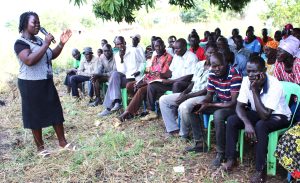
Police officer Beatrice Akello, who heads the Child and Family Protection Unit at Amuria CPS, highlighted that many women are now separating from their husbands and leaving their families due to food shortages.
The surge in gender-based violence has also led to an increase in child neglect, preventing many children from attending school.
Akello noted that while police are working on community policing to raise awareness about gender-based violence, the efforts have faced challenges due to the ongoing food scarcity.
“We are trying our best to do community policing but the best solution was to address the food shortages in families,” she said on July 27th, 2026.
She urged local leaders and development partners to provide food assistance, specifically beans and posho, as many families struggle to rely solely on porridge.
Moses Ibwala, the Assistant Resident District Commissioner for Amuria, linked the rise in gender-based violence to adverse weather conditions.
The lack of rain has left many people idle and financially strained, often leading to conflicts at home.
He encouraged the community to seek alternative livelihoods beyond rainfall-dependent agriculture, such as starting small businesses or engaging in animal husbandry.
Ibwala also called for expertise to introduce irrigation systems, noting that only about 70 people out of a total population of 251,653, as reported by the Uganda Bureau of Statistics 2024 National Population and Housing Census, currently utilize irrigation in the district.
Musa Ecweru, the former Minister of State for Disaster and Works and current NRM District Chairperson, expressed concern about the traditional agricultural practices of the Teso people, who typically plant crops three times a year.
This season, however, they have faced unprecedented challenges due to a long dry spell, resulting in a staggering 99 percent crop failure in the region.
Ecweru warned of a potential food security crisis, stressing the urgent need for sufficient rainfall before late July or August and continued precipitation through early November to secure essential staples like sweet potatoes.
He called upon the NRM Party leadership to prioritize agricultural assessments in Teso and to develop strategic plans to address the adverse weather impacts on food availability in Northern Uganda.
Ecweru urged the government to take swift action in response to the alarming crop failures caused by an extended dry spell in the Teso sub-region, stressing that many households face the threat of food insecurity without immediate aid.
Geofrey Opio, the Agricultural Officer for Wera Sub County, shared that out of the 2,350 households in the area, 2,150 operate on 3-5 acres each. As a result, 70-80% of their crop gardens have suffered, leading to a failure rate of 50-60%.
This crisis has been exacerbated by unexpected early rains and the broader impacts of climate change, highlighting the urgent need for adaptation strategies and agricultural mechanization.
Farmers in Amuria, including Wilberido Omoding, Hellen Beatrice Agiro, Edison Odulai, and Musa Akulau, are grappling with significant crop losses due to the persistent dry conditions, putting a strain on families as they struggle to secure food, pay for education, and meet their basic needs.
As a result, there is a growing demand for government assistance in providing seeds and planting materials in preparation for the upcoming rainy season.
Recently, Vice President Jessica Alupo addressed the nationwide nature of the dry spell, encouraging citizens to engage in tree planting and protect wetlands.
She also advised farmers to gear up for planting staple crops such as sweet potatoes, cassava, sorghum, and millet, looking ahead to the anticipated rains in July-August.
Meanwhile, they continue to seek government support for beans, green grams, cassava cuttings, and sweet potato vines.
In addition, the Uganda Police Force Annual Crime Report 2025, released in March 2026, indicates a decline in reported cases of gender-based and domestic violence, recording 12,361 domestic violence cases alongside 12,606 sex-related offenses across the nation.


