
By Peter Luzinda
KAMPALA
The Parliament of Uganda has approved the Copyright and Neighbouring Rights (Amendment) Bill, 2025, in a move widely seen as a turning point for the protection of intellectual property in Uganda’s creative industries.
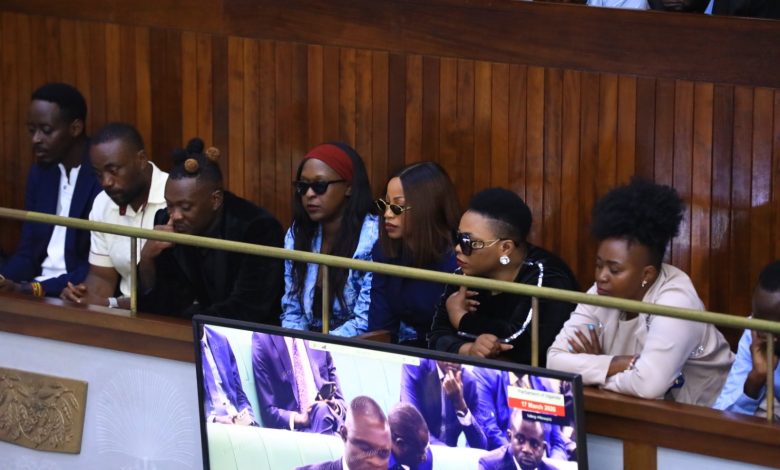
The Bill, which updates the Copyright and Neighbouring Rights Act of 2006, was passed on Tuesday, 17th March, 2026 after lawmakers emphasized the urgent need to modernise Uganda’s legal framework in response to rapid technological changes. It now awaits Presidential assent from Yoweri Kaguta Museveni to become law.
At the core of the amendment is a renewed focus on ensuring that artists, musicians, filmmakers, and other content creators are fairly compensated for their work. Legislators noted that for years, creators have struggled to benefit financially due to weak enforcement mechanisms and widespread piracy, particularly in digital spaces.
The Bill introduces tougher penalties for copyright infringement and expands enforcement provisions to cover online platforms, where much of today’s content is shared and consumed. It also strengthens oversight of collective management organisations, which are tasked with collecting royalties on behalf of artists, to ensure greater transparency and efficiency.
In addition, the legislation provides clearer protections for neighbouring rights holders, including performers and producers, whose contributions have often gone under-recognised in existing law. This is expected to improve revenue streams across sectors such as broadcasting and telecommunications.
Government officials and industry stakeholders have largely welcomed the development, describing it as a progressive step toward building a sustainable creative economy. They argue that improved legal protections could encourage more investment and innovation in Uganda’s arts and entertainment sector.
However, some observers caution that implementation will be key. Questions remain about how enforcement agencies will operationalise the new provisions and whether smaller media operators and digital platforms will be able to comply without facing excessive regulatory pressure.
If signed into law, the amendment is expected to significantly reshape Uganda’s copyright landscape, offering creators stronger legal backing in an increasingly digital and competitive environment.


