
By Delux Emmy Alomu
SOROTI CITY

The second National Agroecological Festival 2026 has officially kicked off in Soroti City, emphasizing the importance of small-scale farmers enhancing the value of their food production as a key step towards achieving agro industrialization.
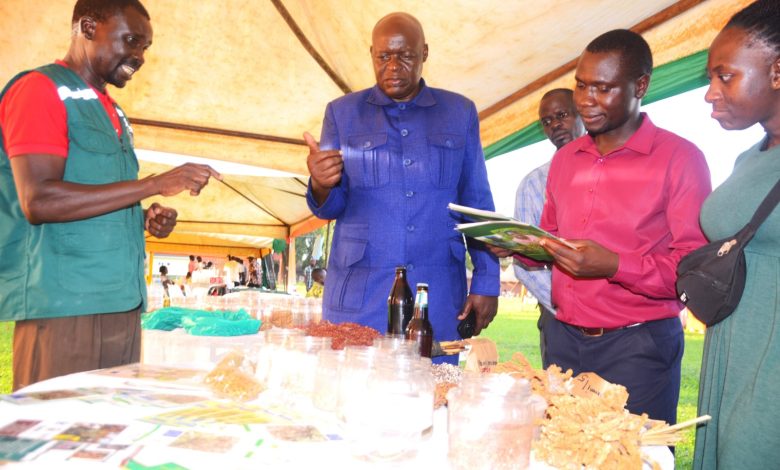
Taking place at Soroti Museum with the theme “Advancing Agroecology for Climate Action, Nutrition, and Sustainable Livelihoods,” the festival showcases farmer-led exhibitions, a national policy dialogue, agricultural innovations, cooking demonstrations, and discussions centered around the proposed Soroti Declaration on Agroecology 2026.
This event arrives at a crucial time when concerns surrounding climate change, soil degradation, biodiversity loss, and the use of harmful chemical pesticides pose significant threats to agricultural productivity, environmental integrity, and the livelihoods of small-scale farmers.
Organized by the Eastern and Southern Africa Small-scale Farmers’ Forum (ESAFF) Uganda and its partners, this rotating festival has drawn numerous small-scale farmers from across the country, running over two days from October 15th to 16th, 2026. Attendees will have the opportunity to view a variety of indigenous seeds and participate in field activities.
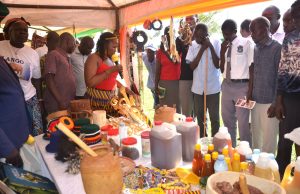
ESAFF Uganda highlights that the festival serves as a vital platform for farmers to exchange practical experiences, showcase innovative local farming solutions, and forge stronger connections with buyers, researchers, and government entities.
The exhibitions will facilitate interactions between farmers and agroecological enterprises, helping to enhance market access and boost profitability.
Dr. Mary Teddy Asio, the Assistant Commissioner responsible for Seed Inspection and Certification at the Ministry of Agriculture, Animal Industries and Fisheries (MAAIF), spoke on the festival’s first day, urging small-scale farmers to add value to their food products in pursuit of agro industrialization.
She highlighted the myriad challenges farmers face, including climate threats, pests, diseases, and equipment availability.
Dr. Asio highlighted the importance of farmers embracing climate-smart techniques, enhancing irrigation, cultivating high-yield and disease-resistant crops, and adhering to agricultural input regulations.
Opening the event, Stephen Omoding, the Assistant Resident City Commissioner of Soroti City, emphasized the importance of returning to our roots to ensure our survival. He urged the community to embrace traditional seeds and focus on growing local foods while encouraging farmers to engage in a process of learning, unlearning, and relearning.
“Be cautious with what we adopt today—let’s stay true to our origins rather than pursuing superficial trends. We need to remember who we are as Africans. Let’s cultivate our own seeds and maintain our local produce, such as cucumbers, vegetables, and shea nut oil. It’s vital to educate ourselves, adapt, and reeducate. Many people are suffering from health issues like cancer and diabetes due to excessive consumption of unhealthy oils,” he said.
Omoding acknowledged that weather forecasts have at times misled farmers but encouraged them to maintain their faith in their efforts. He stressed that agroecology could thrive in stable family environments free from conflict.
He also pointed out that Uganda is fortunate to have robust policies that support agroecological practices.
Nancy Mugimba, the National Coordinator for ESAFF Uganda, expressed the organization’s commitment to ensuring sustainable food security and nutrition.
She noted that the festival offers small-scale farmers a chance to share their wisdom and be more involved in the decision-making processes that impact agricultural production and food systems.
“The festival presents a unique opportunity to bring together farmers, researchers, buyers, and policymakers, fostering an environment of learning and collaboration to identify practical solutions to the challenges faced by small-scale farmers,” Mugimba stated.
Interactions among farmers and other stakeholders can play a pivotal role in fostering markets for agricultural products, advancing research rooted in community experiences, and crafting policies tailored to the needs of farming communities.
“We aim for farmers to be seen not just as food producers but also as individuals with valuable insights and expertise who should have a hand in shaping agricultural policies and programs,” she stated.
This organization, which has been a farmer-led advocacy movement since 2008, unites 12,588 small-scale farmer community organizations across 54 districts, representing over 765,560 farmers, with women comprising 67% of this group.
Through agroecology, food sovereignty, policy advocacy, knowledge sharing, and market connections, ESAFF Uganda is committed to enhancing farmers’ involvement in agricultural decision-making and promoting food systems that cater to the needs of small-scale producers.
The festival aims to bolster collaboration among agricultural stakeholders and elevate awareness of farming practices that can enhance food security, protect the environment, and support rural livelihoods.
Many farmers showcasing their products, along with others, are eager to gain knowledge from this festival, which wraps up tomorrow.
Juventine Ecumu, a farmer from the Kyere sub-county in Serere District, expressed his intention to deepen his understanding of locally produced herbal remedies for chickens and food, which may help lower the risk of diabetes.
Proscovia Aguti, a facilitator with the Amorata Farmer Field School, highlighted their cultivation of local food plants, such as turmeric, and their efforts to enhance millet flour, contributing positively to community health.
Aguti noted that turmeric combined with olive oil is effective against ringworm and urged farmers to cultivate indigenous medicinal plants to prevent illness.
The first national agroecological festival was held in Amuru, Northern Uganda, last year.


