
By Nanteza Ruth Walusimbi
JINJA CITY
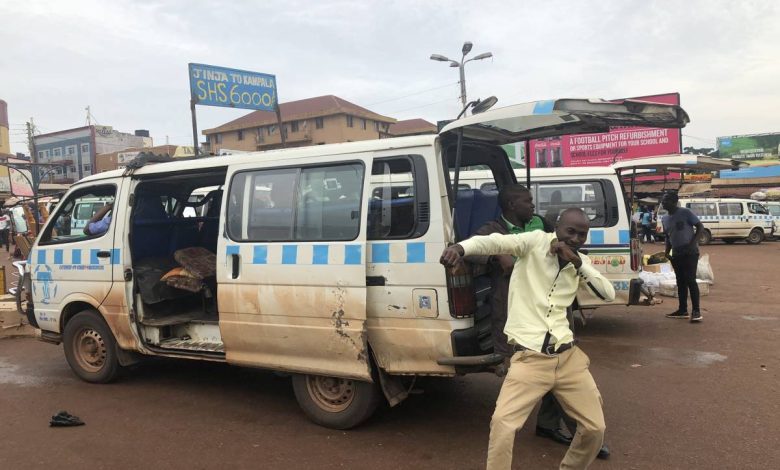
Jinja High Court presided over by Deputy Registrar, Robert Mukanza on Monday 16th March 2026 halted Jinja City Council’s planned eviction of kiosk owners operating in Jinja Taxi and Bus Parks until 7th May 2026.
This was after the kiosk owners sought court intervention protesting the eviction exercise by Jinja City Council Authorities claiming the exercise is a breach of their tenancy agreements.
While Jinja City Council maintains that the demolitions are necessary for urban planning, the affected business owners claim they hold valid rights to the spaces.
The vendors through their lawyer, Ssemaganda Sharif argue that the structures being labeled illegal were actually allocated to them by the council itself.
The chairman of Jinja Tax and Bus Parks in Jinja city, Mukama Karim who spoke to this publication said they have been operating in the same structures for over 45 years and so it’s unfair to be given an ultimatum of three days to vacate.
“We have the necessary documentations of the agreement between the vendors and Jinja City Council and we shall not accept to be evicted unlawfully because we have been paying taxes to the council.” Retaliated Mukama.
Jinja City officials had issued a directive recently to street vendors, kiosk operators, and owners of illegal structures to vacate city streets and relocate to designated markets or approved business premises, warning that noncompliance would lead to forceful eviction.
The public notice, issued by City Town Clerk Godfrey B. Kisekka on March 2, 2026, ordered all affected individuals to voluntarily remove their businesses from unauthorized areas, including streets, road reserves, and other undesignated spaces.
Owners of illegal buildings and temporary structures had to remove or demolish them by Sunday March 15, 2026.
Part of the statement read that starting Monday, March 16, 2026, Jinja City Council Local Government Authority would start its forceful operations at their own cost and peril.
City authorities said the move aimed to restore order, reduce congestion, and ensure businesses operate from legally recognized locations.


