
By Peter Luzinda
KAMPALA
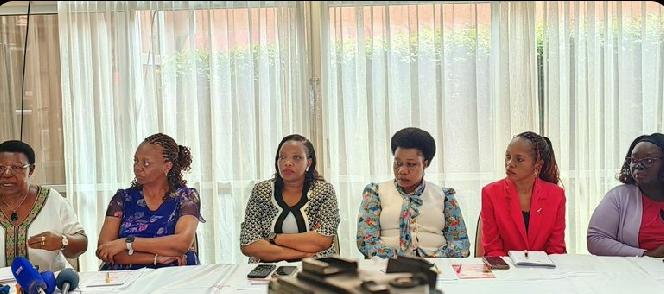
Women’s rights activists and civil society organisations have called for stronger gender representation in the leadership of the 12th Parliament of Uganda, urging political parties to go beyond numerical inclusion and ensure women occupy key decision-making positions.
The appeal comes as Parliament of Uganda prepares for the full operationalization of its 12th session following the 2026 general elections, with attention now shifting to committee leadership, commission roles, and top parliamentary offices.
Activists argue that while Uganda has made progress in women’s representation through affirmative action seats, leadership positions within Parliament remain heavily male-dominated, limiting the influence of female legislators on critical national policy decisions.
“Women are present in Parliament, but presence alone is not power,” said a representative from the Uganda Women’s Network (UWONET). “We are calling for deliberate action to ensure women are not just participants but decision-makers in the 12th Parliament.”
The group noted that despite constitutional guarantees and affirmative action provisions, women continue to face barriers in securing influential roles such as committee chairpersons, shadow cabinet positions, and parliamentary commission appointments.
Civil society leaders also pointed out that gender balance in leadership is essential for addressing issues such as maternal health, gender-based violence, education equity, and social protection, which disproportionately affect women and children.
They are now urging political parties represented in the 12th Parliament—including the ruling National Resistance Movement (NRM), opposition parties, and independent caucuses—to adopt internal quotas when selecting parliamentary leadership.
A political analyst in Kampala noted that the debate reflects a broader tension between electoral representation and internal power distribution. “Uganda has one of the highest numbers of women in Parliament in Africa, but leadership roles often do not reflect that same balance,” he said.
The activists are expected to present a formal memorandum to the Parliamentary Commission once the House is fully constituted, outlining proposals for gender-responsive leadership allocation and reforms in committee selection procedures.
As the 12th Parliament begins its work cycle, the pressure is now on political leaders to translate constitutional equality into practical power-sharing within the country’s highest legislative body.


