
Why Bugisu Was Divided into South, North, Central in 1962 Elections
THE HISTORICAL RELEVANCE OF THE NAME ‘BAGISU’

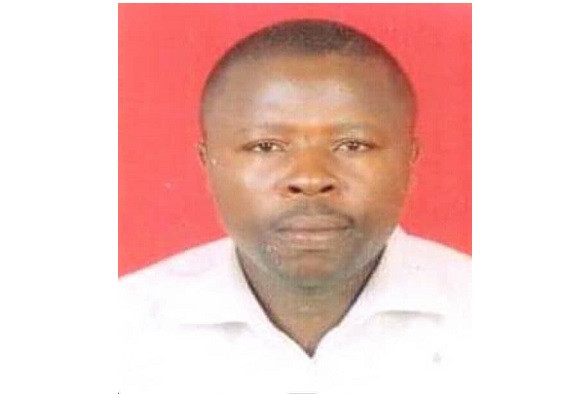
By Steven Masiga
(The writer is the Spokesperson Bukuka tel 0782231557)
BUGISU
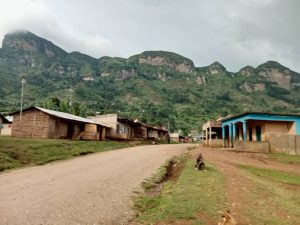
Section 2 of the Pre Independent Constitution of Uganda lists the following as original Districts of Uganda; Kingdom of Buganda, Kingdom of Ankole, Kingdom of Bunyoro, Kingdom of Busoga, District of Bugisu, District of Bukedi, Karamoja, Lango, Madi, Sebei, Teso and West Nile.
The Same constitution under the Elections and boundaries Commission empowered the commission under section 35 to demarcate the country into several constituencies for Electoral purposes.
Consequently, Bugisu was divided into Bugisu South which includes areas such as the present districts of Bududa, Manafwa and Namisindwa;
Bugisu Central which includes the present day districts of Mbale City and Mbale District and Bugisu North which includes the current districts of Sironko and Bulambuli.
Later, somewhere around the early 1962, Mbale protectorate which was a special protectorate with a town council was elevated to a municipal council and political representation came on board with parliamentary representation.
Bugisu officially became a district around 1923, but had been incorporated as an administrative region as early as 1902 and placed under Baganda administrators.
Although there were local tensions from the natives themselves and somewhere around 1913, Bagisu chiefs were appointed as junior chiefs to take over from the Baganda agents in form of Umwami we sikuka, among other titles and formations.
Origins of Bugisu and why the current Noise around whether people are Bamasaba or Bagisu?
The progenitor or whomever this region was named after may one day import cultural and political tensions in Rwenzururu. I have noticed tensions forming up with the king of Kasese saying they are Bayiira and Rwenzururu, I see heavy tensions building up in Bugisu too.
Several anthropological texts examined dating as early as 1800 indicate that this entire region was called Bugisu.
In circumcision formations, writers name circumcision ceremonies after certain events and occurrences. For instance there is a saying that during a certain circumcision year, some groups of people made an intrusion into Bugisu and were circumcised.
Those who got circumcised at that time were named as Basoi, Bazengweli and Walookha (Wilson Wamimbi, Dwale and others).
The word Bugisu is carefully used by Wamimbi and others specifically saying people entered Bugisu around 1830s and those who got circumcised then were named after those groups and events that took place then.
The above posit is meant to debunk the long held assumption that, it is the whites and Kakungulu Semei who twisted the name Masaba to Bugisu (emphasis by author of the article Steven Masiga) as by the 1820s there was no English rule in Uganda even as the infamous Company made ingress towards 1890 except the whites who were trying to courtesies with Kings of Buganda.
Whereas the people who live in Bugisu can be variously called Bamasaba, Babukusu, Bashana and others, the formal and legal name and designation of the Region is Bugisu and we shall not allow to be hoodwinked by names.
Whereas Bamasaba may be taken as a sobriquet name, it is not an appellation in any settings of Government.
Names of places keep changing as I have variously argued elsewhere; Buganda was once called Muwawa in the 13th century and names of places kept changing for one reason and as Bagisu, that is our name because it is more cultural and historical since it is found in all Government archives.
The history as to why Government confirmed the name Bugisu should be examined in subsequent editions of eastnews.co.ug instead of people ranting on streets and whatsApp fora.

